Articles

The myth of the ‘free market’ in fossil fuels

Written by Rokas Beresniovas

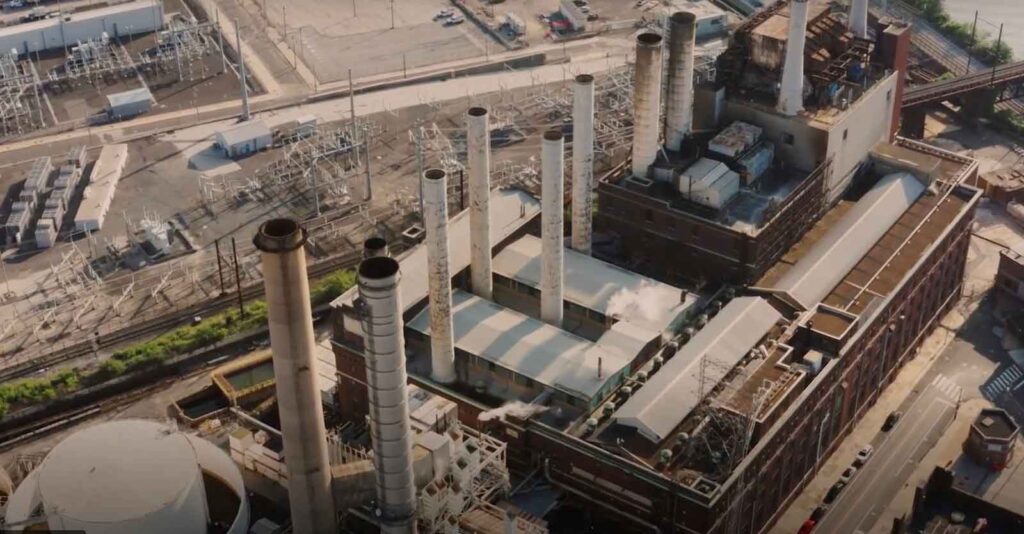
Calls to “let the free market run its course” often surface whenever proposals arise to regulate electric-vehicle adoption, greenhouse-gas emissions, or fuel efficiency. Yet the energy sector—especially fossil fuels—has never truly operated within a free market.

The U.S. oil and gas sector has benefited from government support for more than a century. The first preferential tax provisions—the intangible-drilling-cost deduction and percentage-depletion allowance—appeared around 1913, shortly after the creation of the modern federal income tax. Initially these measures were intended to encourage exploration in an uncertain frontier industry.

Today, that industry is mature, global, and extraordinarily profitable. In 2011, the three largest U.S. oil companies earned over $80 billion in combined profits while still receiving billions in taxpayer subsidies. President Barack Obama—who simultaneously championed the domestic shale boom and signed the 2015 law ending the crude-oil export ban—acknowledged the contradiction:

“Oil companies are also getting billions a year in taxpayer subsidies – a subsidy they’ve enjoyed year after year for the last century.”

READ: Rokas Beresniovas: Putin, artificial intelligence, and the politics of manufactured sovereignty (October 26, 2025)

More than a decade later, those supports remain firmly in place.

An analysis by Oil Change International (2025), following World Trade Organization definitions, estimates that U.S. fossil-fuel subsidies now total about $31 billion annually—twice the level recorded in 2017. Key mechanisms include:

  • Tax deductions that allow firms to credit foreign royalties and taxes against U.S. obligations.
  • Below-market royalty rates for drilling and mining on public lands.
  • Expanded “45Q” carbon-capture credits, frequently applied to enhanced oil recovery, enabling access to additional reserves.
  • Direct appropriations through federal programs.

The 2025 federal tax package adds another estimated $4 billion per year for the next decade. The result is a century-long pattern of intervention that contradicts the rhetoric of laissez-faire capitalism.

A market is not “free” merely because it lacks regulation; it is free when rules apply evenly and no participant receives unearned advantage. The airline industry once operated under similar distortions: decades of route-protection and fuel subsidies insulated incumbents and suppressed competition until deregulation in 1978 unlocked lower prices and innovation. Energy markets display the same structural imbalance today.

Rokas Beresniovas: Carbon capture is not a climate solution—it’s a fossil fuel lifeline (May 31, 2025)

In practical terms, a fair energy market would treat every producer—fossil or renewable—under identical fiscal conditions. The current system, by contrast, channels public funds toward mature incumbents while emerging technologies compete without equivalent support.

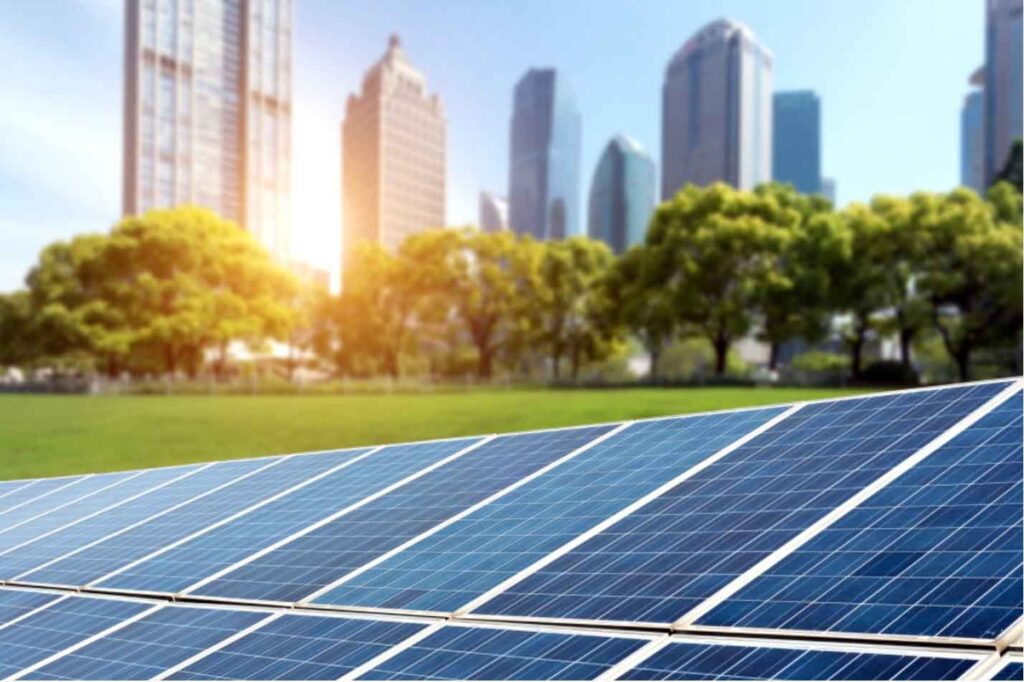
Redirecting $31 billion each year could deliver tangible household benefits. Analyses show that reallocating those funds to distributed solar could install panels on roughly 54 million homes nationwide within a decade.

For a Maryland household, where average residential electricity rates hover around 15 ¢/kWh and annual consumption averages 10,600 kWh, rooftop solar can reduce bills by $1,400 to $1,600 per year—a 60–70 percent drop in energy costs. Those savings would circulate directly back into local economies instead of being absorbed into corporate balance sheets.

Subsidies distort price signals. When prices fail to reflect environmental costs, investment flows to the wrong places. Economist Joseph Aldy of Harvard notes that properly designed market-based instruments can internalize externalities in decentralized ways—allowing states to calibrate according to regional conditions rather than imposing uniform national charges.

Removing fossil-fuel subsidies and letting decentralized pricing mechanisms account for real costs would align incentives without heavy-handed federal mandates.

Innovation does not always depend on subsidy. The U.S. shale revolution—supported by both Democratic and Republican administrations—drove carbon-dioxide emissions to their lowest levels in a generation, largely by displacing coal. The International Energy Agency credits this as one of the most significant emissions reductions in modern history.

Subsidies like the 45Q carbon-capture credit can indeed stimulate efficiency gains, but perpetual dependence dulls the competitive discipline that drives technological improvement. The objective should be temporary, performance-based incentives, not indefinite fiscal protection.

As defined by classical economists from Adam Smith to Milton Friedman, a laissez-faire capitalist believes that markets function best when voluntary exchange occurs without government favoritism. That principle—not ideology—underpins genuine capitalism.

Rokas Beresniovas: Green, clean, or just real? Rethinking our climate vocabulary (May 16, 2025)

By this standard, ending fossil-fuel subsidies would not distort the market; it would finally allow it to function as intended: rewarding the most efficient producers, regardless of technology.

The American taxpayer continues to finance an outdated energy model. The same public dollars could strengthen domestic energy independence, modernize the grid, and lower household costs. Every dollar spent propping up mature fossil enterprises is a dollar unavailable for resilience upgrades, innovation grants, or clean-tech manufacturing in communities across the country.

The United States became an economic powerhouse through ingenuity and competition. Those qualities thrive under open, rules-based markets—not under systems where certain industries receive preferential treatment. Ending energy-market distortions is not anti-business; it is pro-efficiency, pro-innovation, and pro-taxpayer.

The debate is not about eliminating markets. It is about removing artificial, government-created distortions that prevent efficient energy systems from competing on cost and performance. When subsidies no longer shield incumbents, capital naturally flows to technologies that deliver more energy per dollar invested—and that is how markets are meant to work.

The myth of the ‘free market’ in fossil fuels Read More »

Putin, artificial intelligence, and the politics of manufactured sovereignty

Written by Rokas Beresniovas

A few days ago, Vladimir Putin declared that Russia will lose its sovereignty unless it creates artificial intelligence based on Russian culture, history, linguistic wealth, traditions, and traditional values.

On the surface, the statement sounded like a call for technological self-determination. In reality, it was another example of how the Kremlin uses fear, isolation, and the idea of “sovereignty” as political instruments. Whenever Russia faces stagnation, repression, or public discontent, the same refrain emerges: “The West wants to destroy us.”

For decades, the word “sovereignty” has served as a sacred totem of Russian state rhetoric — a justification for every authoritarian reflex. It’s been used so often, and so cynically, that it has lost its meaning. It no longer describes the collective independence of a nation; instead, it signifies the unlimited power of those who rule it.

Each time Russia experiences economic pain or social unrest, the regime deploys the language of existential threat. Citizens are told that the country’s very survival depends on unity, obedience, and the rejection of foreign ideas. To question the government becomes to betray the motherland.

Rokas Beresniovas: Carbon capture is not a climate solution—it’s a fossil fuel lifeline (May 31, 2025)

As former Russian politician Nikolai Travkin recently observed, the more this rhetoric is repeated, the emptier it becomes: “As soon as any discontent begins to emerge among the people due to worsening living conditions, the authorities immediately cry out: ‘The West is encroaching on our sovereignty!’ They’ve used the word so often that the question ‘What benefit does this sovereignty bring me, an ordinary person?’ never arises.”

Travkin’s point exposes the hollowness of the state’s moral claim. True national interest should reflect the interests of citizens, not rulers. It should mean the right to live without upheavals, to have good healthcare and education, to pursue culture, science, and art; to breathe clean air, and to live freely and securely. In that sense, sovereignty is meaningful only when it protects human dignity and the pursuit of happiness. When it becomes a slogan for unchecked authority, it transforms into its opposite — a tool of subjugation rather than liberation.

That’s why Putin’s statement about creating an “AI based on Russian culture and traditional values” is revealing. It’s not about technology at all. It’s about control. Artificial intelligence, by its nature, thrives on openness — on global data, collaboration, and the exchange of ideas. To insist that AI be “rooted in Russian tradition” is to preemptively cage it, to declare that even machines must serve ideology. It’s a signal that innovation will be filtered through politics and that truth — even algorithmic truth — must remain loyal to the state. In this framing, AI is not a frontier of science; it’s a new frontier of propaganda. The goal isn’t to advance discovery but to ensure that the digital mind, like the human one, repeats the official narrative. Putin’s fear is not that Russia will lose its sovereignty. His fear is that it will lose control over how reality itself is defined.

Beyond the politics lies a more pragmatic contradiction — one rooted in energy and infrastructure. Artificial intelligence requires extraordinary computational power, and with it, extraordinary amounts of energy. Training large-scale models demands efficient grids, resilient data centers, and increasingly, clean and renewable energy.

Rokas Beresniovas: Green, clean, or just real? Rethinking our climate vocabulary (May 16, 2025)

In the United States and Europe, the AI revolution has gone hand-in-hand with massive investments in energy efficiency, grid modernization, and renewable generation. The world’s leading AI companies are also among the largest corporate buyers of solar, wind, and geothermal power. They understand that the future of intelligence — human or artificial — will depend on sustainable energy. Russia, by contrast, has done almost nothing to prepare for that reality. Its economy remains deeply dependent on fossil-fuel exports, while domestic energy infrastructure lags decades behind. Investment in renewables and efficiency has been negligible.

The country has neither the physical nor financial ecosystem required to build the kind of high-density, low-carbon data infrastructure AI demands. You can’t build 21st-century intelligence on 20th-century energy. For all its talk of technological independence, Russia’s AI ambitions are built on fragile foundations: inefficient grids, decaying transmission networks, and a near-total absence of private-sector investment in clean energy. Even if Russia were to produce advanced algorithms, the energy cost of training them would make any large-scale development unsustainable. If sovereignty is to mean anything in the technological realm, it must include energy sovereignty — the capacity to power innovation cleanly and reliably. Without that, the rhetoric of “AI rooted in tradition” becomes not only ideological but physically hollow.

What makes this rhetoric powerful is that it taps into real historical trauma. Russia’s collective memory is filled with invasions, revolutions, and humiliations. The concept of sovereignty thus carries deep emotional resonance. It’s easy to mobilize and hard to question. Yet, as Travkin reminds, when sovereignty becomes equated with the absolute rule of one man, it ceases to serve the people. It becomes a permission slip for unaccountable power: “Don’t you dare tell us from the outside what to do with our people — we are a sovereign state.” This mindset isolates not just the country from the world, but also its citizens from their own agency. When sovereignty must be defended at all costs — even at the expense of freedom, progress, and truth — it turns inward, consuming itself. The result is a society locked in a permanent defensive crouch, fearing change as much as it fears the outside world.

Rokas Beresniovas: Green, clean, or just real? Rethinking our climate vocabulary (May 16, 2025)

And that is the true paradox: sovereignty, once stripped of meaning, becomes fear itself — fear of openness, fear of innovation, fear of one’s own people.

When I listened to Putin’s speech, I wasn’t struck by its content — we’ve heard it all before — but by how seamlessly “AI” had been absorbed into the old nationalist lexicon. Technology is supposed to expand horizons; in this narrative, it closes them. The Kremlin’s version of AI isn’t meant to make Russia more competitive or creative. It’s designed to make control more efficient — to ensure that the algorithm never questions authority. “Traditional values” become the new firewall: the invisible code that keeps the machine from learning anything subversive. There’s tragic irony here. The country that once produced some of the world’s greatest scientists, mathematicians, and engineers now treats knowledge as a threat. The state that once dreamed of conquering space now fears the free flow of information.

Travkin ends his reflection with a quiet but devastating question: What good is sovereignty if it brings nothing to ordinary people? That question deserves to echo far beyond Russia. Every society that invokes “national values” to justify censorship, isolation, or intolerance should confront it. Sovereignty without freedom is just another form of dependency — dependency on fear, on propaganda, on the myth of external enemies. Putin’s speech may have been about artificial intelligence, but its subtext was the same as always: Without me, there is no Russia. It’s the oldest line in the autocrat’s playbook.

Read more columns by Rokas Beresniovas

True sovereignty doesn’t come from algorithms trained on “traditional values.” It comes from people empowered to think freely, to speak openly, and to imagine a future not defined by fear.

And perhaps that’s the one kind of intelligence — human or artificial — that authoritarian systems will never be able to replicate.

Putin, artificial intelligence, and the politics of manufactured sovereignty Read More »

Carbon capture is not a climate solution—it’s a fossil fuel lifeline

Written by Rokas Beresniovas

Carbon capture and storage (CCS) is receiving renewed attention. With billions of dollars in subsidies flowing from the Inflation Reduction Act and high-profile backing from major fossil fuel companies, CCS is being touted as a critical solution to the climate crisis.

The central idea is simple: continue burning fossil fuels but capture the carbon dioxide before it escapes into the atmosphere, then store it safely underground. On paper, it sounds like a technological fix that allows us to maintain our energy habits while reducing emissions.

But the reality is far more complicated—and far less promising. Today, CCS is not solving the climate crisis. In most cases, it’s exacerbating it. The majority of carbon capture projects in the United States are not focused on reducing emissions. Instead, they are designed for enhanced oil recovery—a process where captured CO₂ is injected into aging oil fields to extract more oil. Rather than being a genuine mitigation strategy, this use of CCS increases the total amount of carbon in the atmosphere. It’s a circular process that captures carbon in order to release even more, and it’s being funded, in part, with public dollars.

Beresniovas: Green, clean, or just real? Rethinking our climate vocabulary (May 16, 2025)

Some of the largest oil and gas companies in the world—ExxonMobil, Chevron, Occidental Petroleum—are leading the charge on CCS, promoting it as evidence of their climate commitment. At the same time, they continue expanding fossil fuel operations.

These companies receive generous tax credits, up to $85 per ton for carbon permanently stored and $60 per ton for carbon used in oil recovery. Without strong accountability measures, these incentives function as subsidies for fossil fuel expansion, not decarbonization. That’s the heart of the criticism many scientists, policy experts, and environmental groups level against CCS: it’s not just ineffective in practice, it’s being used to delay the transition we need.

Even the more advanced forms of carbon capture, like direct air capture and mineralization, are still in the early stages and come at a steep cost. The Orca facility in Iceland, often cited as a model, captures just a few thousand tons of CO₂ annually—a drop in the bucket compared to global emissions. The price tag for this process is currently over $1,000 per ton, which makes it financially unviable as a scalable solution in the near term. These technologies may have a role to play in the long-term future for sectors that are hard to decarbonize, but they are not a substitute for immediate, large-scale emissions reductions.

There’s also a serious concern around the permanence of carbon storage. While industry proponents suggest that CO₂ can be safely stored underground, the science is not so certain. Pressurized carbon dioxide behaves as a supercritical fluid—it’s buoyant and mobile. It can migrate through rock fractures and porous formations.

The failure of the Yucca Mountain nuclear waste site in the U.S. shows how difficult it is to guarantee the permanent containment of hazardous material underground. What happens if, after decades, the carbon leaks back into the atmosphere? What happens if we’ve already spent billions and lost precious time?

Critics of CCS are not opposed to innovation—they are opposed to delay. There’s a long history of fossil fuel companies using unproven technologies to create the illusion of progress. In this case, CCS is being used not to reduce dependence on fossil fuels, but to justify continued investment in them. That’s why many experts consider it greenwashing. Some go further, calling it a form of fraud—not necessarily in the legal sense, but in the moral one. It’s a false promise that distracts from real, scalable climate solutions.

Those real solutions are already here. Renewable electricity generation—particularly from solar and wind—is now the most affordable form of new energy in many parts of the world. Battery storage is advancing rapidly. Electrifying transportation and heating systems, improving energy efficiency in buildings, modernizing our electric grid—these are proven strategies that cut emissions, reduce costs, and improve public health. They don’t need speculative fixes or complex infrastructure to scale. What they need is consistent investment, smart policy, and political will.

We are in a decisive decade. The IPCC has warned that we must cut global emissions nearly in half by 2030 to avoid the most dangerous consequences of climate change. That doesn’t leave room for distractions. It doesn’t leave time for experiments that may never scale. Every dollar and every year we spend propping up ineffective solutions is a missed opportunity to invest in the transition we already know how to build.

Carbon capture may have a role in the future, particularly for hard-to-abate sectors. But it is not a climate solution today—not in the way it’s being implemented, not at the scale it’s being promised, and not with the incentives currently attached to it. If we’re serious about solving the climate crisis, we need to stop subsidizing delay and start funding transformation. Carbon shouldn’t be captured after it’s burned—it should be left in the ground.

Carbon capture is not a climate solution—it’s a fossil fuel lifeline Read More »

Green, clean, or just real? Rethinking our climate vocabulary

Written By Rokas  Beresniovas and Sacha Alaby

During a recent Climate Week event, a recurring pattern stood out: presenters, panelists, and participants frequently referred to renewable energy projects as “clean energy,” “green energy,” or “eco-friendly energy.” These terms rolled off the tongue with ease—almost instinctively.

In an information-rich world, however, the words chosen matter more than ever. While referring to renewable energy projects as “clean energy” may seem benign to industry insiders, the use of the term may be construed as disingenuous by those who expect precision in language. Much like translating a concept from one language to another, shortcuts for ease of reference can result in meaningful loss. As this article outlines, a shortcut like “clean energy” can become a point of significant contention.

To clarify, this piece does not seek to slander renewable energy. Quite the opposite—it recommends a strategy that stakeholders can adopt to support its continued growth. More particularly, it calls for careful reflection on the language used to describe renewable energy—not only for the sake of accuracy, but to protect the credibility of the work being done to enhance energy infrastructure and to build trust with a broader audience.

READ: Align your finances with sustainability: How to choose bank accounts that support the planet? (January 27, 2025)

Let’s start with a simple but often overlooked fact: there’s no such thing as perfectly clean energy. As MIT’s Dr. Jennifer Morris notes, all energy sources—whether fossil-based or renewable—have environmental footprints. Whether it’s the mining of critical minerals, the use of water and chemicals in manufacturing, or the end-of-life challenges of solar panels and wind turbines, renewable energy is not free of externalities.

It’s tempting to call renewable energy “clean” because it feels good. It signals values. It aligns with climate goals. However, the term also creates blind spots—especially when used without context.

In an age where information is accessible in seconds, using terms like “clean energy” without nuance risks being perceived as misleading. Worse, it can open the door to accusations of greenwashing—intentionally or not. For capital providers, developers, and climate advocates, this is not just a semantic issue. It’s a strategic one.

READ: The hidden crisis of property underinsurance: A looming threat to housing stability (January 8, 2025)

Telling any story of progress requires being unabatedly transparent. Acknowledging the complexity of renewable energy projects over their entire lifecycles (including Scope 3 and Scope 4 related emissions) and recognizing trade-offs between different energy sources—both renewable and non-renewable—is not a reason to abandon optimism. In fact, being transparent about the imperfections of renewable energy in telling the story of progress can make its case stronger, not weaker. Doing so exemplifies seriousness, maturity, and integrity. Overlooking or downplaying any lifecycle pollution or negative impact involved in the realization of renewable energy projects can signal the opposite.

To quote Abraham Lincoln, “Nothing is more damaging to you than to do something that you believe is wrong.” While calling renewable energy “clean” may not feel wrong among renewable energy financiers, it’s worth asking whether it holds up in a broader context—especially when the credibility and momentum of the energy transition are on the line.

So next time, before deploying familiar terms like “clean energy,” it might be advisable to pause and consider whether such word selection oversimplifies a complex reality in the minds of the audience. A responsibility of transparency is owed to the people served—and to the future being built—to get the language right.

Green, clean, or just real? Rethinking our climate vocabulary Read More »

The dark underbelly of solar PV lending

Written By Rokas Beresniovas, Sacha Alaby and Chris Cucci

Across the country, climate-friendly financing institutions are helping a growing number of homeowners and community-based organizations access capital to install solar photovoltaic (PV) systems. There’s strong confidence that this trend will continue, regardless of political shifts, due to the increasing energy demands projected over the next two decades and the recognition that solar PV systems can significantly offset soaring electricity costs.

READ: Most promising climate tech startups to watch in 2025 (December 5, 2024)

However, this positive momentum and enthusiasm are marred by the actions of a small but troubling group of unscrupulous contractors and solar dealers engaging in predatory practices that target consumers and leaders of community-based organizations. These bad actors threaten the credibility and trust in the solar industry, preying on the uninformed and vulnerable under the guise of sustainability.

Widespread Issues: False Advertising and Aggressive Sales Tactics

Systemic issues plague the solar industry, particularly in two key areas: false advertising and aggressive sales tactics.

False advertising

Many residential homeowners and community-based organizations considering solar PV systems lack the technical expertise to evaluate claims about costs and performance accurately. Unfortunately, some solar dealers, financiers, and contractors exploit this knowledge gap, making promises that are simply too good to be true.

These actors advertise unrealistically high returns on investment and exaggerated savings or energy production benefits, fully aware that many of their customers lack the tools or expertise to verify these claims. For instance, they may claim that installing solar PV systems will result in massive financial windfalls or energy independence without considering factors like regional variability, local grid conditions, and installation quality.

The sales representatives often promise the homeowner that they will be able to fully monetize the solar ITC (investment tax credit) when that is not always the case and highly dependent on the financial position of the homeowner. People should always consult with their tax professionals and never rely on statements from a solar sales rep about their ability to take full advantage of tax credits. Additionally, the solar contractors are often working with specialty non-bank lenders who charge high “dealer fees,” which are hidden from the homeowner and instead built into the pricing when quoted for a new solar system cost. This dealer fee can increase the cost of solar by over 35% in many cases, greatly impacting the affordability of solar and hiding the true cost from the consumer.

High-pressure sales tactics and onerous financing contracts

The high-pressure tactics employed by some salespeople further erode trust in the solar industry. What starts as a friendly sales pitch often escalates into an uncomfortable and coercive experience. Stories abound of overly aggressive salespeople who create a sense of urgency, pressuring potential customers into signing complex financing agreements on the spot.

For those seeking to participate in the renewable energy movement, these predatory practices can turn what should be a positive and empowering experience into a source of stress and regret. Worse, the harm caused by unethical contractors and dealers ripples through communities, dampening enthusiasm for solar adoption and renewable energy as a whole.

READ: Climate finance: The critical role of specialized financing mechanisms (July 14, 2024)

The Path Forward

To combat these issues, greater transparency and accountability are needed in the solar PV industry. Education campaigns, access to consumer-friendly tools, and stricter regulation of contractors and financiers can help protect vulnerable groups from falling victim to these tactics. Climate-friendly financing institutions must also play a proactive role in ensuring that their partners adhere to ethical business practices and prioritize consumer trust.

By addressing these challenges, we can shed light on predatory practices and advocate for a solar industry that truly serves the public good. Only by confronting these issues can we ensure that the benefits of solar PV systems reach everyone, fostering a truly equitable and sustainable transition to renewable energy.

The dark underbelly of solar PV lending Read More »

Align your finances with sustainability: How to choose bank accounts that support the planet?

Written by Rokas Beresniovas and Ravi Mikkelsen

The saying, “Money makes the world go ’round,” reminds us of the profound influence our financial choices can have. If you’re seeking a New Year’s resolution with meaningful impact, consider reassessing where your money is held. Changing where you bank might be one of the simplest yet most impactful steps toward supporting sustainability.

Even if purchasing an electric car or installing solar panels isn’t currently an option, shifting your banking habits to align with environmental goals is something almost anyone can do. Financial institutions play a critical role in shaping industries, and by choosing banks that prioritize the environment, you can join a growing movement for positive change.

READ: Climate finance: The critical role of specialized financing mechanisms (July 14, 2024)

Explore climate-positive options

Take Atmos Financial, for example. Atmos offers checking and savings accounts that fund climate-positive projects, dedicating 100% of its resources to clean energy initiatives, electrification, and other environmentally focused goals. With features like mobile banking, no ATM fees, competitive interest rates, and up to 5% cash back at eco-friendly businesses, Atmos combines convenience with impact. Notably, $5,000 in an Atmos account can save 5.85 tons of CO2 annually—the equivalent of eliminating over 13,000 miles of car travel. While Atmos is not a bank, it partners with Five Star Bank, an FDIC-insured institution, to ensure deposits are secure and regulated.

Clean Energy Credit Union, another excellent choice, uses deposits to reduce the cost of residential solar and electrification projects. As a federally regulated entity, Clean Energy CU offers unique financial products like low-interest loans for renewable energy projects, although its technological offerings may be less advanced than those of Atmos. Both institutions empower you to make a tangible difference with your money.

Local and sustainable alternatives

Local credit unions and community banks also provide great options for those looking to divest from fossil fuels. Many are committed to funding green projects and supporting sustainable businesses. Initiatives like “Bank For Good” can guide you toward over 30 such institutions.

The Cost of Inaction

Traditional banking choices carry hidden environmental costs. Since 2015, the top 60 global banks have poured $4.6 trillion into fossil fuel industries. Depositing money in these institutions indirectly supports significant carbon emissions. Climate advocate Bill McKibben highlights that individuals with more than $125,000 in mainstream banks may unknowingly fund more carbon emissions through their banking choices than through their daily activities combined.

READ: Most promising climate tech startups to watch in 2025 (December 5, 2024)

Small changes, big impact

Your financial decisions hold immense power. By choosing accounts that are not only “fossil fuel free” but actively invest in renewable energy, you help redirect funding toward a sustainable future. Switching to a climate-conscious financial institution is a simple yet impactful way to align your values with your spending habits.

This year, let your finances reflect your commitment to the planet. Small changes, like choosing the right bank, can collectively drive significant momentum toward a greener, more sustainable world.

Align your finances with sustainability: How to choose bank accounts that support the planet? Read More »

The Hidden Crisis of Property Underinsurance: A Looming Threat to Housing Stability

Written by Rokas Beresniovas

Written by Rokas BeresniovasToday, as I delve into a special report from National Mortgage Professional, I am struck by a stark revelation: the widespread issue of property underinsurance is creating a financial powder keg for housing owners, lenders, and banks. This issue has far-reaching implications that could potentially disrupt the housing marketplace, leaving both homeowners and financial institutions vulnerable to massive financial risks.

At the heart of this crisis is the underappreciated reality of physical risks posed by extreme weather events and the broader impacts of climate change. These risks are not adequately factored into the current lending and insurance landscape, leaving borrowers, lenders, and the housing market exposed to unforeseen liabilities.

The Role of the 30-Year Mortgage

The traditional 30-year mortgage was designed to provide stability. Its amortization schedule hedges against market volatility and inflation, offering borrowers a sense of predictability. However, this financial pillar of the housing market is beginning to falter under the weight of unaddressed climate risks.

As the report insightfully highlights:

“The 30-year mortgage was designed with that amortization schedule to provide a hedge against volatility and inflation, but because borrowers are not being underwritten to emerging, asset-level climate risks, ballooning escrows are functioning like piggyback, adjustable-rate mortgages, which is bad math for consumers.”

What this means is that, although the 30-year mortgage promises financial consistency, emerging climate risks are creating hidden costs for homeowners. Ballooning escrows—driven by rising property insurance premiums and unexpected repair costs—are beginning to mimic the unpredictability of adjustable-rate mortgages. This “bad math” not only erodes the affordability of homeownership but also places consumers in precarious financial positions.

The Implications for Lenders and the Housing Market

Lenders and banks that underwrite these mortgages are not immune to the ripple effects of underinsurance and climate risks. Properties that are inadequately insured against natural disasters and other climate-related damages represent a ticking time bomb for financial institutions. A single catastrophic event could leave thousands of borrowers unable to pay their mortgages, leading to defaults and widespread financial losses.

For the broader housing market, these risks could culminate in market instability. A housing marketplace burdened by increased foreclosures, uninsured losses, and skyrocketing repair costs is a recipe for economic turmoil.

Addressing the Problem: A Call to Action

The solution lies in proactively addressing physical risks from extreme weather and climate change. This includes:

1. Improved Underwriting Standards: Lenders must incorporate asset-level climate risk assessments into their underwriting processes. By evaluating the long-term physical risks of properties, banks can better safeguard their portfolios and protect homeowners from unforeseen costs.

2. Mandating Adequate Insurance Coverage: Regulators and industry leaders must work to ensure that properties are insured to adequately cover potential risks. This includes adjusting policies to reflect the realities of extreme weather and climate change.

3. Promoting Resilient Housing Development: New construction and renovation projects must prioritize resilience against extreme weather events. This includes flood-proofing, fire-resistant materials, and other adaptive measures.

4. Public Awareness and Education: Homeowners need to understand the importance of adequate insurance coverage and the risks posed by climate change to their properties. Financial literacy in this area can help reduce the vulnerability of individual borrowers.

The Path Forward

The challenges outlined in the National Mortgage Professional report highlight an urgent need for systemic changes in how we address property insurance, climate risks, and mortgage lending. By taking proactive steps, we can reduce the exposure of homeowners, lenders, and the housing market to the disruptive forces of climate change.

This is not just about mitigating financial risk; it’s about protecting the dream of homeownership and ensuring a stable, resilient housing market for generations to come.

As we face an increasingly uncertain climate future, one thing is clear: ignoring these risks is no longer an option.

The Hidden Crisis of Property Underinsurance: A Looming Threat to Housing Stability Read More »

Unlocking Sustainability: The Vital Role of Flexible, Long-Term Capital in Climate Finance

Co-written by:
Rokas Beresniovas
Sacha Alaby

The Critical Need for Flexible, Long-Term, and Patient Capital

“The need for flexible, long-term, and patient capital could not be more urgent.” This sentiment resonates across conversations with executives from climate-friendly financing institutions nationwide. Leaders from these organizations consistently highlight the challenges of accessing the right types of capital needed to drive meaningful sustainability-related changes.

Notably, community-based lenders have stressed how the scarcity of flexible capital has been a persistent barrier, while established green banks emphasize the slow mobilization of private capital to address the well-documented financing gap (Chatham House article). These challenges underscore the need for significant adjustments in both policy and practice to create a more effective climate finance ecosystem.

Community-Based Lenders and Flexible Capital

Leaders of community-based lenders take great pride in achieving positive outcomes for their communities despite challenging operational realities. Their financial lifeblood consists of retained earnings, loans from banks striving to meet Community Reinvestment Act requirements, and grants. While these sources have enabled pockets of success, they remain insufficient to drive the large-scale sustainability transformations that communities urgently need.

Programs like the Clean Communities Investment Accelerator (CCIA) are promising steps forward. However, the implementation of such programs often introduces challenges. For example, strict requirements for capital deployment, such as the mandate to deploy 60% of CCIA funding within two years, risk compromising loan quality. Many leaders believe this approach prioritizes speed over strategic impact. They advocate for more pragmatic timelines—spanning five years or more—accompanied by clawback mechanisms to recover unused funds if necessary. This approach would give lenders the flexibility to focus on making thoughtful, impactful investments.

Confusion around project eligibility further compounds these challenges. A manufacturer seeking energy independence, for instance, may encounter roadblocks if their rooftop cannot accommodate sufficient solar panels but they have adjacent land available for installations. Ambiguities like these stall projects and frustrate lenders eager to fund them. Clearer guidance is needed to address such scenarios and provide the certainty lenders require to move forward.

Additionally, the high upfront costs of feasibility studies remain a significant hurdle. Manufacturers are often reluctant to invest substantial sums to determine the viability of energy projects, preferring instead to maintain cash reserves for payroll or other immediate needs. Without flexible capital to cover these preliminary expenses, many promising projects fail to materialize, leaving both lenders and manufacturers at an impasse.

Green Banks and the Role of Private Capital

Green banks have demonstrated their ability to drive transformative sustainability projects, yet their potential remains constrained by the limited availability of private capital. Many green bank leaders aspire to see their institutions become self-sustaining entities capable of delivering triple-bottom-line outcomes without relying on public funds. However, achieving this vision requires a steady flow of patient, long-term capital from non-governmental sources.

Currently, the process of securing private capital often diverts green banks’ attention and resources from their core mission. Time spent courting investors represents a significant opportunity cost, detracting from critical activities such as deal origination, project evaluation, and partnership development. This bottleneck underscores the need for a more supportive ecosystem that enables green banks to focus on what they do best.

Philanthropic organizations, ultra-high-net-worth individuals, and family offices are uniquely positioned to fill this gap. By providing patient capital, these entities can empower green banks to expand their reach and scale their impact. Without this additional support, even the most successful green banks risk falling short of their potential to catalyze sustainability at the scale required.

A Path Forward

The challenges faced by community-based lenders and green banks highlight a broader need for a shift in how capital is structured and deployed within the climate finance ecosystem. Flexible, long-term, and patient funding is not a luxury—it is an imperative. Addressing these barriers requires collaborative action, policy adjustments, and innovative solutions.

Extending deployment timelines, clarifying eligibility criteria, and creating dedicated pools of funding for feasibility studies are practical steps that can unlock stalled projects. At the same time, intensifying efforts to mobilize private capital is essential to ensure green banks have the resources to deliver transformative change.

By addressing these gaps, we can build a more resilient and effective climate finance ecosystem—one capable of meeting the urgent sustainability challenges of our time. Read more.


Unlocking Sustainability: The Vital Role of Flexible, Long-Term Capital in Climate Finance Read More »

Sustainable banking: The role of credit unions in climate action

Written by: Rokas Beresniovas

Credit unions have a remarkable chance to help shape a greener future by addressing the pressing issue of climate change. Unlike traditional banks, which are often driven by profit, credit unions are member-owned cooperatives deeply embedded within their communities. This local connection gives them a unique advantage to lead with sustainability at their core, appealing to an increasing number of members who prioritize environmental issues.

By building on their strong community ties, credit unions can promote environmentally friendly initiatives. They can provide financial support for projects like energy-efficient homes, electric vehicles, and renewable energy systems, empowering members to make sustainable choices while also reducing carbon emissions. Furthermore, credit unions can strengthen these efforts through partnerships with local environmental organizations, organizing educational events, and encouraging community programs focused on sustainability and climate resilience.

A key strength of credit unions is their ability to align with the values of their members. With more people wanting to support businesses that are environmentally conscious, credit unions can attract and retain members by embracing climate change initiatives. By offering green banking services—such as low-interest loans for eco-friendly home upgrades or collaborations with community solar programs—they can make a strong case for why they should be the go-to financial institution for those wanting to support climate action.

Credit unions also have the potential to ignite positive change at the local level. By funding sustainable projects within their communities, such as green infrastructure, renewable energy installations, or environmentally conscious startups, credit unions can spur economic growth while promoting sustainability. They can collaborate with local businesses, entrepreneurs, and nonprofits to make these initiatives a reality.

Additionally, credit unions can provide valuable financial education about climate risks and sustainable opportunities. Workshops and seminars can equip members with the knowledge they need to make informed choices about sustainable investments and energy-saving practices, contributing to a more resilient, environmentally aware community.

While green banks and Community Development Financial Institutions (CDFIs) are leading the charge in climate finance, credit unions are naturally positioned to transition to this area as well. Their community-focused values and strong member relationships make them perfectly suited to take on a bigger role in promoting sustainability. By leading with a commitment to climate action, credit unions can not only help tackle environmental challenges but also build stronger relationships with their members, attract new customers, and contribute to a more sustainable future for everyone. Read more.

Sustainable banking: The role of credit unions in climate action Read More »

What is Climate Finance?

Understanding why the fight against climate change required the creation of financing mechanisms focused exclusively on climate action.

Co-written by:
Rokas Beresniovas
Laura Mondragon


Climate change is no longer a problem that only concerns scientists. It is an issue that everyone should understand and contribute to, both individually and in any societal role they play. Our generation has the responsibility to redesign business as usual and structure robust, long-term systems to reduce impacts and prepare future generations for the effects of climate change. Addressing climate change requires a multifaceted approach rooted in real people’s needs and trans-sectoral collaboration and partnerships to achieve multidimensional action. Understanding how climate action is financed and the mechanisms that will allow for speedy and successful deployment is vital.

Climate finance encompasses a wide array of financial mechanisms and instruments aimed at mitigating and adapting to the impacts of climate change. In this article, we delve deeper into various aspects of climate finance, exploring its importance, key concepts, and implications for the global climate agenda.

Climate Resilience and Adaptation Finance

Aligning capital and developing financing mechanisms to protect and prepare communities for the effects of climate change, including the transformation of  industries business models. One crucial aspect of resilience and adaptation finance is intentionally redirecting capital to support vulnerable communities in facing climate change effects and ensuring a just and equitable transition to a decarbonized economy.

Types of Investments for Climate Resilience and Adaptation

As temperatures rise, physical climate risks become more tangible and evident. This means that climate hazards, such as sea level rise, floods, extreme heat, droughts, and hurricanes, among others become more frequent. Adaptation and resilience finance enables actions that prepare and protect people and cities from these physical risks. Investments can include implementing flood mitigation measures in buildings to handle extreme rainfall, planting tree canopies in neighborhoods to reduce extreme heat exposure, and implementing early warning systems, among many others.

Climate Mitigation Finance

In addition to adaptation, climate finance also supports mitigation efforts aimed at reducing and capturing greenhouse gas emissions and slowing the pace of climate change. Mitigation finance channels funds into projects and strategies that promote renewable energy, enhance energy efficiency, promote sustainable land use practices, and capture and store CO2 (carbon capture and storage, or CCS). From investing in clean energy infrastructure to supporting reforestation initiatives, mitigation finance plays a crucial role in transitioning to a low-carbon economy. By incentivizing investments in clean technologies, CCS, and sustainable practices, mitigation finance helps curb emissions and mitigate the impacts of climate change.

Innovative Financial Mechanisms: Concessional Loans and Beyond

Another critical aspect of climate finance is the provision of concessional loans, offered at favorable terms to support climate-related projects in developing countries. These loans provide developing nations with affordable and low-interest financing to enhance their resilience and sustainability efforts. Often, these resources are accompanied by non-reimbursable funds and other innovative financing mechanisms that improve and accelerate project deployment. In recent years, debt-for-nature swaps have proven effective in achieving tangible commitments by swapping countries’ debt in return for conservation and environmental protection measures.

Loss and Damage Finance

Despite mitigation and adaptation efforts, some impacts of climate change are unavoidable. Loss and damage finance addresses the provision of resources for dealing with the irreversible consequences of climate change that cannot be mitigated or adapted to. This includes compensating communities for loss of lives, livelihoods, and ecosystems due to climate-related disasters such as hurricanes, floods, and droughts. Loss and damage finance highlights the need for solidarity and support for those most affected by climate change, emphasizing the importance of addressing historical responsibilities and ensuring climate justice.

To conclude, by mobilizing financial resources, fostering innovation, and promoting international cooperation, climate finance holds the key to building a more resilient and sustainable world for current and future generations. Read more.

What is Climate Finance? Read More »